YouTube is the second-largest search engine in the world, with only Google running ahead of it. Many new content developers join the ranks of existing channels every day. Some channels make a success of it, and others moulder in obscurity. What are the differences between the two types? Why do some channels get more YouTube subscribers than others?
This task may prove to be incredibly time and consuming and you might want to look into some social media agencies to carry the task out but otherwise, join us as we take a look at how some of the most successful channels operate, and how you can get more YouTube subscribers.
Different Factors Affecting Audience Interpretation
When it comes to building a YouTube channel, the largest part of your consideration revolves around the audience. The algorithm is vital, and many other elements are critical. However, without your target audience, the channel is doomed to failure from the beginning. Let’s consider some essential elements.
Listen to Your Viewers
The number one mistake that most creators make, is trying to reach too broad an audience. When you try to target everyone, you inevitably target no one.

Therefore, one of the most critical parts of creating your YouTube channel is defining your end user. Which kind of topics will you be covering? What kind of person would want to watch your videos?
Many YouTube creators try to focus only on trending topics. However, while trends are important they’re not the most critical aspect.
How Does Defining Your Audience Benefit You?
Let’s use the cooking community as an example. YouTube has a thriving community of culinary channels. From big names like Gordon Ramsey and Jamie Oliver to YouTube celebrities like Chef John from Food Wishes.
Of course, established celebrities rely on their fame to get huge subscriber numbers. The related chefs, however, have had to build their YouTube channels from the ground up.
Within this community, there are subcommunities. For instance, there’s the artisan bread and fermentation community. You also have YouTube channels dedicated to vegan and fruitarian diets.
You’ll want to know who your audience is to make sure you are giving them what interests them specifically.
Specializing
It’s obvious that YouTube is a maelstrom of different interest groups and niches, but how do you use that to your advantage? Let’s say you decide to create videos about vegan cooking. If you create high-quality videos that retain viewers and target popular search terms, you break into the vegan community.
Not only will you become part of the videos that a certain audience is likely to search for, but you could also list them as a similar video. However, there’s more to it than that.
When you make content about vegan cooking, you target a single audience. However, if you make a series of videos about vegan French cuisine, two things happen:
- You escalate from a single niche to targeting two markets
- You specialize even further to target a microniche.
While targeting vegan viewers is fantastic, targeting French vegans gives you the edge of a specialized audience.
Logically, the niches that you decide to target will influence your subscriber count. However, the flip side is that you need to stay faithful to your audience. If your audience is all about vegan cooking, adding videos about raising and slaughtering beef sustainably isn’t the way to go.
Nevertheless, every niche has countless microniches. You can usually post for various specialized groups without losing subscribers. For example, your French vegan supporters probably won’t mind if you do a serious about vegan Israeli meals.
Trending Topics
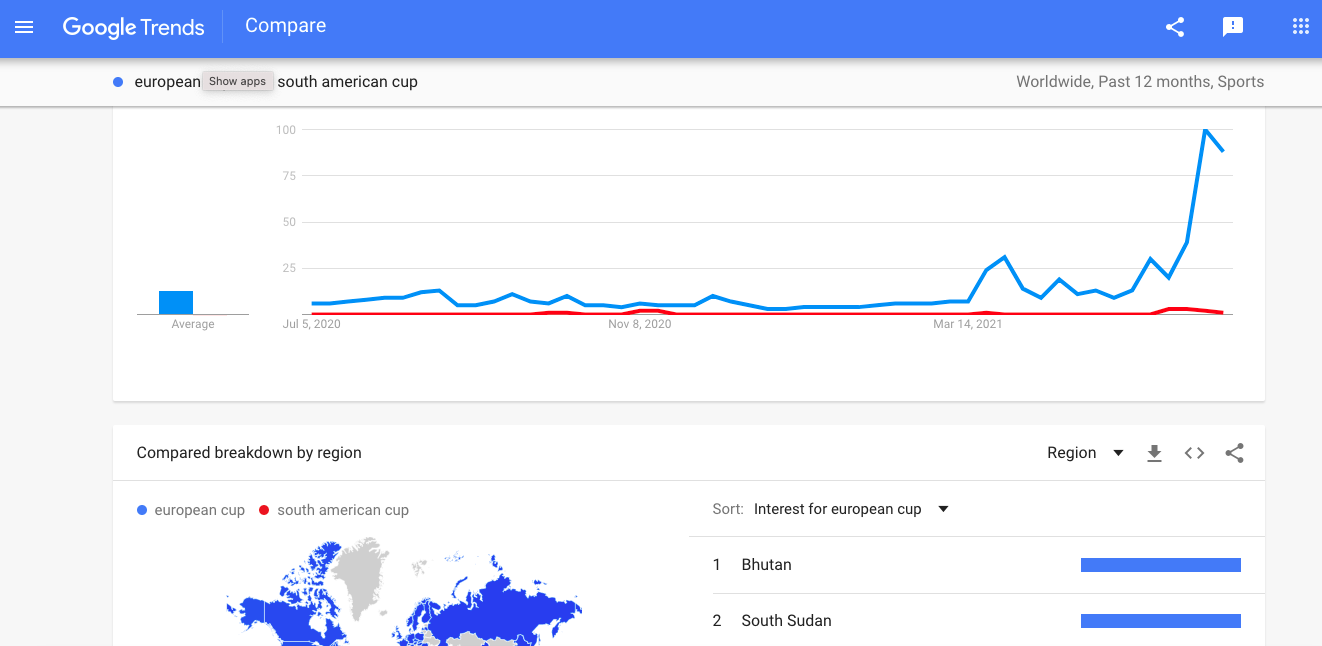
Once you’re building an audience, pay attention to trends in your community.
Don’t do anything foolish like adding a controversial banner for a cause unrelated to your channel. In this too, you need to stay faithful to your audience.
Keep your ear to the ground regarding hot topics in your targeted community. If meat-free enchiladas are the current trend in your target audience, do enchiladas.
Depending on your channel type, you could take the audience with you as you learn to make the dish. Otherwise, you could learn how to make them then teach the audience what to avoid.
The gist of the matter is, stay relevant. If you incorporate current trends, you can become a trend as well.
People Judge a Channel by Its Cover
Few YouTubers realize how much impact their channel page has on the general population. If it looks like someone slapped together your banner image on Windows 95 Paint, then you’ll probably lose a lot of potential viewers.
Aesthetics are a vital part of our society, and you need to cater to potential subscribers. Let’s look at the three main things you should focus on when you’re creating your channel page.
The Channel Icon
Your channel’s icon is the first thing that most potential subscribers will see. You need to make sure that this part of your page is exceptional.
Not only is it the first aspect of your channel that people often see on YouTube, but it also appears next to any comments that you make.
How do you make a breathtaking logo that will get more subscribers?

- Choose meaningful colours. Designers caution to avoid using your favourite colours or currently trending shades. Trends change regularly, and your tastes may change too. It’s best to choose colours that are significant to the theme and branding of your channel.
- Don’t clutter the design. Most designers agree that empty space, or zero space, is an essential part of any design. Where colour is concerned, try not to go for more than three shades. As far as images go, don’t try to add too many aspects. Finally, don’t try to fit an entire description in your logo. Your name and tagline are the most you want to add.
- Choose a relevant icon. Many channels make the mistake of choosing an icon that’s unrelated to their focus. You want to choose an icon that’s relevant and memorable.
- Fonts always feature. When you’re designing your channel logo, you need to be careful with the fonts. Go for something that’s easily legible, and stick to a single font for the entire logo.
- Arrange elements wisely. You don’t want your logo to look like you liked a bunch of elements and threw them together. Put effort into the arrangement, so that each element contributes something.
These are tips for designing your logo. However, it may be worth having a designer create a logo for you.
The Banner
The banner image is the first thing that viewers see when they open your channel page and is worth investing time into. There are a few things to consider regarding your channel art.

- Sizing. You need to plan your channel art carefully because it needs to cater to multiple screen sizes. Right in the middle, you should have your focal point. The centre of the banner will be displayed on mobile screens. The site will display a slightly larger portion on tablets and computers. However, they’ll display the full image on television. Design your banner cunningly so you are relevant on any screen size.
- Stay relevant. We’ve said it before, and we’ll say it again, don’t go on a design tangent. If you don’t know how to incorporate your theme into your banner, stay basic or do abstract. Don’t use unrelated imagery or elements that won’t appeal to your target audience.
- Don’t be afraid of space. Many new creators are afraid of having space in their designs, and it’s not a good fear to have. Zero, negative, or empty space is a vital part of any design. Incorporate your elements so they’re eye-catching, and the negative space will only enhance them.
All of these design rules can get tricky so think about whether you have someone in your marketing or branding team who is up for the task, otherwise, try looking into design agencies in the united states or somewhere near you to take on this task.
Describe Yourself Well
When new people arrive at your channel, they usually know nothing about you. A detailed description can help encourage viewers to subscribe to your channel.
When you’re doing your about section, you want to stay away from the cliche and generic. A profile like “I’m the Beaver and I make the best videos ever!” sounds cool, in your head. To your potential viewers, you just sound cocky and unoriginal.
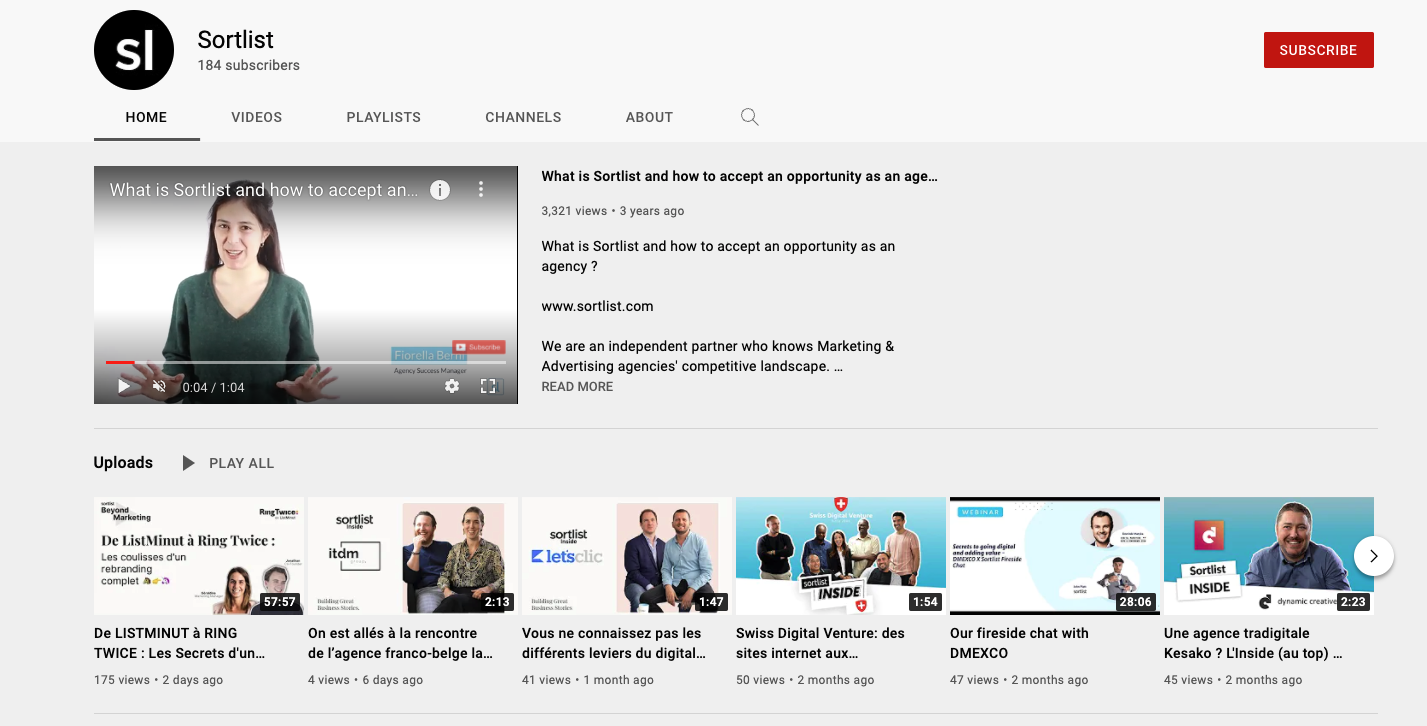
Your about section should be polished, but also informative. Tell potential subscribers:
- What your channel is about.
- What you stand for.
- What they can gain from watching your videos.
While writing your description, and generally, make sure to ask the question
“What do my videos contribute to subscribers?”
If you can’t answer that question with a solid statement, you’re missing the mark.
Different Types of Videos
Many YouTube creators think that content is the only thing to worry about. However, most successful YouTube channels produce three different types of videos.
Each of the three video types has a different focus and contributes something else to your channel.
1-Subscriptions
The first type of video content targets new subscriptions. This type of video typically targets a wider audience and covers a current trend. It’s essential not to neglect your core audience, but you also need to attract new subscribers.
The best way to get more subscribers is to create YouTube videos that get you seen. By covering trends, you’re more likely to trend yourself.
YouTube videos targeting subscriptions typically place more emphasis on the subscribe button. They don’t only have the subscribe button on the end screen.
Instead, these videos might remind people to subscribe to your channel near the beginning as well. For videos that aim to draw YouTube subscribers to your channel, you should draw a strong description of what your channel stands for.
2- Views
Videos that aim to get more views to your channel are often better at converting to monetization. As with the subscription-focused videos, these video’s topic usually focuses on trending matters.
While subscription videos have a strong call to get YouTube subscribers, these videos focus on being shareable. Make sure that you don’t try and take too strong a stance in these videos.
View-focused videos typically tend to be more lighthearted and engaging. You may focus on popular topics that aren’t too serious. You might also incorporate a call to like and share the video.
3- Engagement
Once you have a subscriber base, for your brand, you need to take care of your subscribers. It’s a good idea to release videos simply to engage with your current audience.
Incorporate a video thumbnail that appeals to your main audience. Make a video about content that appeals to a number of subscribers. Lives can be a great way to connect with viewers and get YouTube subscribers.
You need to connect with your subscriber base regularly, so don’t neglect this type of video. You’ll get more loyal subscribers by fostering relationships with your viewers than any other way.
Studying Your Stats
While you’re building your YouTube channel, you need to act like an entrepreneur. Whether you’re a statistical person or not, the stats matter to your channel.
You can use YouTube analytics to help you study your channel information. There are many different things that you could look at.
There are multiple different analytics sets for you to study, and each has a myriad of subcategories. You can look at the following sets of metrics:
- Channel metrics
- Audience metrics
- Discovery metrics
- Video metrics
- Engagement metrics
- Revenue metrics
Channel Metrics
The channel metrics keep track of the overall performance of your channel. This category includes:
- Subscribers. How many subscribers you have, and when they subscribed.
- Realtime views. The number of views that you’ve had in the last 48 hours. This is useful for tracking your current progress and tracking stats for lives and premieres.
- Top videos. This metric shows you which videos perform the best. You can set the time frame to see which videos performed well in a certain period.
- Channel views. Here you can track how many views you get in a certain time.
- Channel watch time. This stat records the amount of time that users spend watching your channel. It’s presented in hours.
Audience Metrics
The audience metrics give you insight into who watches your videos. It analyzes the following:
- Unique viewers. This stat estimates how many different people have watched your videos at a certain time.
- Average views (per viewer). Average views estimate how many times viewers have watched videos on your channel.
- User view times. This stat analyzes at which times most viewers watch your videos.
- Audience demographics. This metric helps you to find out how old your viewers are, which genders, and where they live.
Discovery Metrics
The discovery metrics focus on your SEO and how people find your videos. This category analyzes:
- Impressions. The impressions record how many people see your thumbnail.
- The click-through rate. This statistic measures how many people get to your video by clicking on your thumbnail.
- Traffic sources. The traffic source metric measures where and how people find your videos.
- Top YouTube search terms. This tool is useful for checking the effectiveness of your keywords. It measures which search terms generally lead people to your videos.
Video Metrics
The video metrics analyze the performance of specific videos. A lot of these metrics are similar to the channel metrics but focus on videos. This category measures your:
- Video views. This stat measures how many times your video has been watched overall.
- Video subscribers. How many people subscribed to your channel after watching a specific video? Find out here.
- Watch time. How long do people spend watching your videos? If you have a short watch time, look for problems.
- Audience retention. How many of your videos do people watch? If people only watch the first five minutes of a 20-minute video, they have a retention problem.
Engagement Metrics
The engagement metrics analyze how people engage with your channel and which kinds of people. These stats include:
- Audience likes and dislikes. What does your audience like? What do they hate? Are your dislikes coming from people from a community that disagrees? Find out with this stat.
- Element reports. Which elements that you incorporate into your end screen perform well? Which tools perform well on your cards?
- Playlist analysis. Which of your playlists perform the best? Is it because of the topic or because of the style you used? This stat can help you find out.
Revenue Metrics
When you finally get enough subscribers, you can monetize your channel. At this stage, the revenue metrics become useful. Revenue metrics consider two statistics:
- Estimated Revenue. Analyze how much money your channel earns at a certain time.
- Revenue Sources. This metric breaks down the ways you earn money on YouTube.
Making the Metrics Work for You
We’ve seen that many different metrics could serve you. Let’s look at the critical stats, and how the metrics help you.
Most YouTube creators focus on four key metrics:
- Views
- Average CTR
- Retention
- Watch time
- Session time
The fifth aspect is more obscure but still essential.
Promote Yourself
Targeting search terms (especially your primary keyword), thumbnails and titles are vital aspects of building your channel. However, promoting your channel can go far beyond that.
As you get more YouTube subscribers, you’ll develop a loyal fan base. Thanks to the ever-changing YouTube algorithm, your subscribers may not get your new videos.
Many successful YouTubers take matters into their own hands. Email broadcasts are an excellent way of ensuring that your viewers get your new videos.
You can ask users to sign up for your newsletter by adding a call to action in your description. Once you have the email address chain, don’t spam your subscribers.
If you have their permission, you can occasionally share blog posts and similar content too. If you create digital products, you can encourage loyalty by offering ‘get free’ emails to your subscribers.
Another excellent way of reaching your subscribers is building active social media accounts. In short, don’t leave promotion up to YouTube and search engines.
What About the Content?
As the expression goes, content is king. One of the essential aspects to increase YouTube subscribers is how you create videos. The second is how you upload YouTube videos.
- Be consistent – Most successful YouTubers agree that subscribers appreciate consistency. If you want to get more subscribers, upload regularly.
- Fail forward – You can’t afford to be afraid of making bad YouTube videos. At first, it will take some getting used to. That’s okay, and good even, it’s how you grow. While you’re embracing the potential to fail, be ready to experiment.
- Don’t overdo it financially – When you’re starting, it can be tempting to buy expensive equipment. Don’t do it. In the beginning, use what you have. If all you have is a smartphone, start with that.
- Structure – Develop a structure for your videos. Whether that means having a series of key cards, or a full script, you should plan your videos ahead of time. The content of your video must also have structure to avoid seeming done on a whim.